Direct-to-consumer (DTC) models are revolutionizing the medtech landscape by fostering direct connections between companies and patients. Traditionally reliant on intermediaries like hospitals and clinics, medtech companies are now leveraging eCommerce to deliver personalized, convenient, and seamless healthcare experiences. This shift is about selling products and reshaping how healthcare is accessed and experienced.
At the core of this transformation is eCommerce, which enables medtech companies to streamline patient engagement. By offering medical devices and health products online, patients gain easy access to essential items and tailored resources without leaving their homes. This approach redefines healthcare delivery while driving innovation and growth across the sector.
The Rise of Direct-to-Consumer Models in Medtech
Direct-to-consumer models are becoming a cornerstone of medtech innovation, altering traditional dynamics and offering new opportunities for patient engagement.
Transitioning from Traditional Distribution to Direct-to-Consumer
For decades, medtech relied on intermediaries like pharmacies, clinics, and hospitals to distribute products. While effective, this traditional approach often created access barriers for patients, complicating the purchasing process and limiting engagement. The advent of eCommerce, however, has allowed companies to bypass these channels and adopt DTC models. This strategy empowers patients by improving accessibility and creating a more direct relationship between consumers and providers.
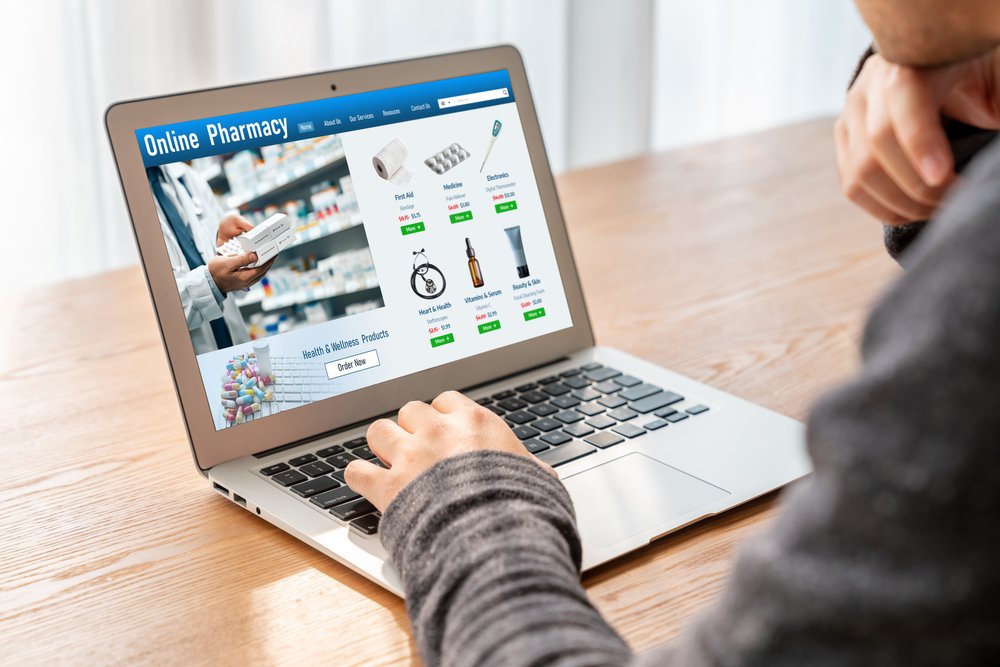
The Role of eCommerce Platforms in Direct-to-Consumer Success
eCommerce platforms are the backbone of effective DTC strategies, enabling medtech companies to create intuitive, user-friendly online stores. These platforms offer several key advantages:
- Increased Accessibility: Patients can shop for medical devices from anywhere, removing geographical limitations.
- Streamlined Purchasing: Simplified online ordering processes minimize friction, ensuring patients can obtain necessary products quickly.
- Enhanced Engagement: Direct consumer interactions allow companies to gather feedback and refine offerings, meeting individual needs more effectively.
Specific solutions like Shopware or other eCommerce platforms offered by Unleashed Technologies enable medtech companies to tailor their online presence to the needs of their customers, driving better outcomes and stronger patient relationships.
How eCommerce Drives Patient Engagement
eCommerce offers unparalleled convenience and is critical for building stronger patient relationships and improving health outcomes.
Improving Access to Medical Devices
DTC models powered by eCommerce eliminate delays and inefficiencies, allowing patients to acquire medical devices and health products promptly. For instance, a diabetes management company can streamline supply reorders, improving adherence to treatment protocols and overall patient satisfaction.
Personalizing the Consumer Experience
Data analytics play a pivotal role in enhancing patient relationships within the DTC model. By analyzing purchasing behaviors, medtech companies can offer personalized recommendations, targeted marketing, and tailored user experiences. Examples include:
- Targeted Marketing: Customized promotions and product updates based on consumer preferences.
- Improved Adherence: Personalized reminders and follow-ups to ensure patients stay on track with their treatments.
Boosting Convenience and Satisfaction
eCommerce solutions significantly elevate convenience, empowering patients to make informed healthcare decisions. From comprehensive product descriptions to accessible customer support, these platforms enhance user satisfaction and improve health outcomes by simplifying every step of the purchasing process.
Essential Elements of Successful Direct-to-Consumer Implementation
To implement a successful DTC strategy, medtech companies must focus on several foundational components.
Robust Technological Infrastructure
Implementing DTC strategies requires a strong technological foundation. Essential components include:
- User-Friendly Websites: Intuitive navigation and clear product categories ensure a seamless shopping experience.
- Mobile Optimization: With increasing mobile usage, ensuring compatibility across devices is crucial.
- Secure Payment Systems: Building trust through encrypted payment gateways encourages consumer confidence.
Leveraging Data Analytics
Data analytics enable medtech companies to refine their strategies by understanding consumer behavior. Effective practices include:
- Customer Segmentation: Grouping patients based on demographics or purchasing patterns for targeted outreach.
- A/B Testing: Experimenting with various website layouts or promotions to determine optimal strategies.
- Feedback Collection: Regularly analyzing user feedback to enhance products and services.
Comprehensive Customer Support and Resources
Building trust requires robust customer support and educational materials. Key elements include:
- Live Chat Support: Providing real-time assistance for immediate resolution of patient concerns.
- Educational Content: Offering articles, videos, and webinars that empower consumers with product knowledge.
- FAQs: A well-organized FAQ section that addresses common questions.
 Addressing Challenges in Direct-to-Consumer Medtech
While the DTC model offers significant benefits, it also presents unique challenges that must be navigated carefully.
Navigating Regulatory Complexities
Operating in the medtech space means adhering to stringent regulations. To ensure compliance:
- Stay informed about industry standards and updates.
- Engage regulatory experts to navigate legal complexities.
- Implement best practices for labeling, advertising, and consumer communication.
Educating Consumers
Not all patients are familiar with medical devices and their uses. Providing accessible, clear, and detailed product information helps bridge this gap, fostering trust and informed decision-making.
Ensuring Cybersecurity
As eCommerce expands, securing patient data becomes paramount. Best practices include:
- Encryption Protocols: Protect sensitive information during transactions.
- Regular Security Audits: Identify and address potential vulnerabilities.
- User Education: Teach patients about safe online practices to protect personal information.
The Future of Direct-to-Consumer Medtech
The direct-to-consumer model is a transformative approach to reshaping medtech. By embracing eCommerce, companies can enhance patient access, satisfaction, and outcomes while driving growth and innovation. For medtech leaders, investing in these strategies ensures they remain at the forefront of a rapidly evolving healthcare landscape.
Don’t miss the opportunity to transform patient engagement and elevate your business. Click here to explore innovative eCommerce strategies that can position your medtech company for long-term success.